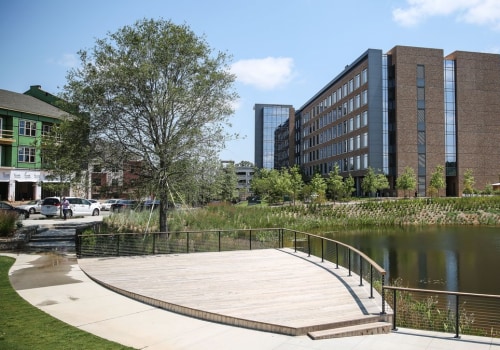
Fort Mill, South Carolina has transformed dramatically over the past decade, evolving from a quiet suburban community into one of the fastest-growing residential markets in the Carolinas. Its strategic location just south of Charlotte has positioned it as a prime destination for families, professionals, and retirees seeking affordability, high-quality schools, and convenient access to a major metro economy, making it particularly appealing to the middle class. This surge in housing demand has fueled extensive residential development, from master-planned communities to luxury townhomes and mixed-use neighborhoods. As more people relocate to Fort Mill, the housing market has become a central driver of the town’s expanding economic footprint, influencing everything from infrastructure investment to workforce growth. Fort Mill, South Carolina has transformed dramatically over the past decade, evolving from a quiet suburban community into one of the fastest-growing residential markets in the Carolinas. Its strategic location just south of Charlotte has positioned it as a prime destination for families, professionals, and retirees seeking affordability, high-quality schools, and convenient access to a major metro economy, making it particularly appealing to the middle class. This surge in housing demand has fueled extensive residential development, from master-planned communities to luxury townhomes and mixed-use neighborhoods. As more people relocate to Fort Mill, the housing market has become a central driver of the town’s expanding economic footprint, influencing everything from infrastructure investment to workforce growth.
Job Creation Through Residential and Commercial Expansion
The momentum of Fort Mill’s housing market directly supports job creation across multiple sectors. New residential construction creates immediate demand for builders, contractors, engineers, material suppliers, and skilled trades. Beyond construction, long-term population growth attracts retailers, healthcare providers, restaurants, financial institutions, and service-based businesses eager to serve the expanding community. As rooftops increase, so does the justification for commercial development, turning residential growth into a catalyst for sustained employment opportunities. This cycle of development strengthens Fort Mill’s tax base while reducing economic dependency on neighboring cities, allowing the town to retain more value within its local economy.
Infrastructure Investment and Public Revenue Growth
Rising property values and ongoing development have significantly expanded Fort Mill’s municipal revenue. Increased property tax collections give local government more financial flexibility to fund road improvements, utility upgrades, public safety expansion, and school construction. These infrastructure enhancements not only support existing residents but also make the region more attractive to new employers considering relocation. Well-maintained roads, reliable utilities, and high-performing schools are essential factors that influence corporate site selection, and Fort Mill’s housing-led growth supplies the funding necessary to sustain these critical public assets.
Workforce Attraction and Business Relocation
A strong housing market plays a vital role in shaping workforce availability, and Fort Mill’s growth has positioned it as a magnet for talent throughout the Charlotte metro region. Affordable home prices relative to nearby urban markets allow young professionals and families to achieve homeownership while remaining connected to high-paying job centers. This housing accessibility strengthens the region’s labor pool and makes the area more appealing for businesses seeking reliable access to skilled workers. Financial institutions and lenders, including a Charlotte mortgage company, benefit from this migration pattern as housing demand fuels increased lending activity, refinancing, and real estate investment, further integrating housing growth with broader economic expansion.
Retail, Small Business, and Consumer Spending Growth
As Fort Mill’s population climbs, consumer spending power rises alongside it. New residents bring purchasing demand that stimulates local retail corridors, shopping centers, and small businesses. Dining, entertainment, home services, and professional services all experience increased activity as household formation accelerates. Residential growth also supports local entrepreneurs who find new opportunities to launch businesses catering directly to the needs of expanding neighborhoods. This consumer-driven economic activity diversifies Fort Mill’s economy and strengthens its resilience against downturns in any single industry.
Real Estate Investment and Long-Term Market Stability
The strength of Fort Mill’s housing market has also attracted substantial real estate investment. Developers, private investors, and institutional funds view the area as a stable long-term growth market, driving capital into residential, mixed-use, and commercial projects. These investments promote modern infrastructure, higher-density development, and walkable community design that supports both livability and economic productivity. As long as population growth remains steady, property values and rental demand continue to reinforce investor confidence, creating a feedback loop that sustains development momentum.
Regional Economic Integration With Charlotte
Fort Mill’s housing success is deeply connected to Charlotte’s economic engine. As Charlotte continues to attract corporate headquarters, financial services firms, and technology companies, Fort Mill serves as a residential extension of that growth. This regional integration allows workers to live in Fort Mill while contributing to Charlotte’s labor force, strengthening economic ties between the two markets. In turn, Charlotte’s prosperity further supports Fort Mill’s housing demand, reinforcing a mutually beneficial economic relationship.
Long-Term Economic Outlook
The impact of Fort Mill’s housing market on economic development is both immediate and enduring. Residential growth drives job creation, infrastructure investment, workforce expansion, retail activity, and real estate capital flow. As long as Fort Mill maintains balanced planning, responsible development, and continued investment in public services, its housing market will remain a powerful engine for regional economic advancement. Rather than merely reflecting economic growth, Fort Mill’s housing sector actively shapes the financial stability, opportunity landscape, and long-term prosperity of the entire surrounding region.